
Last Updated: March 2026
This Loktak lake travel guide is based on official Loktak Development Authority documents, Manipur Loktak Lake (Protection) Act 2006, Gazette notifications, and verified 2025–2026 ground reports.
Quick Facts: Loktak Lake at a Glance
| Attribute | Details |
|---|---|
| Location | Bishnupur District, Manipur |
| Distance from Imphal | 48–53 km (1–1.5 hours drive) |
| Lake Area | 287–500 sq km (varies seasonally) |
| Altitude | 768.5 m above mean sea level |
| Ramsar Status | Wetland of International Importance (since 1990) |
| UNESCO Status | Tentative World Heritage Site |
| Famous For | Phumdis (floating islands), Keibul Lamjao National Park, Sangai deer, floating homestays |
| Inner Line Permit (ILP) | ✅ Required for Indian citizens |
Table of Contents
Introduction: The World’s Only Floating Wonder
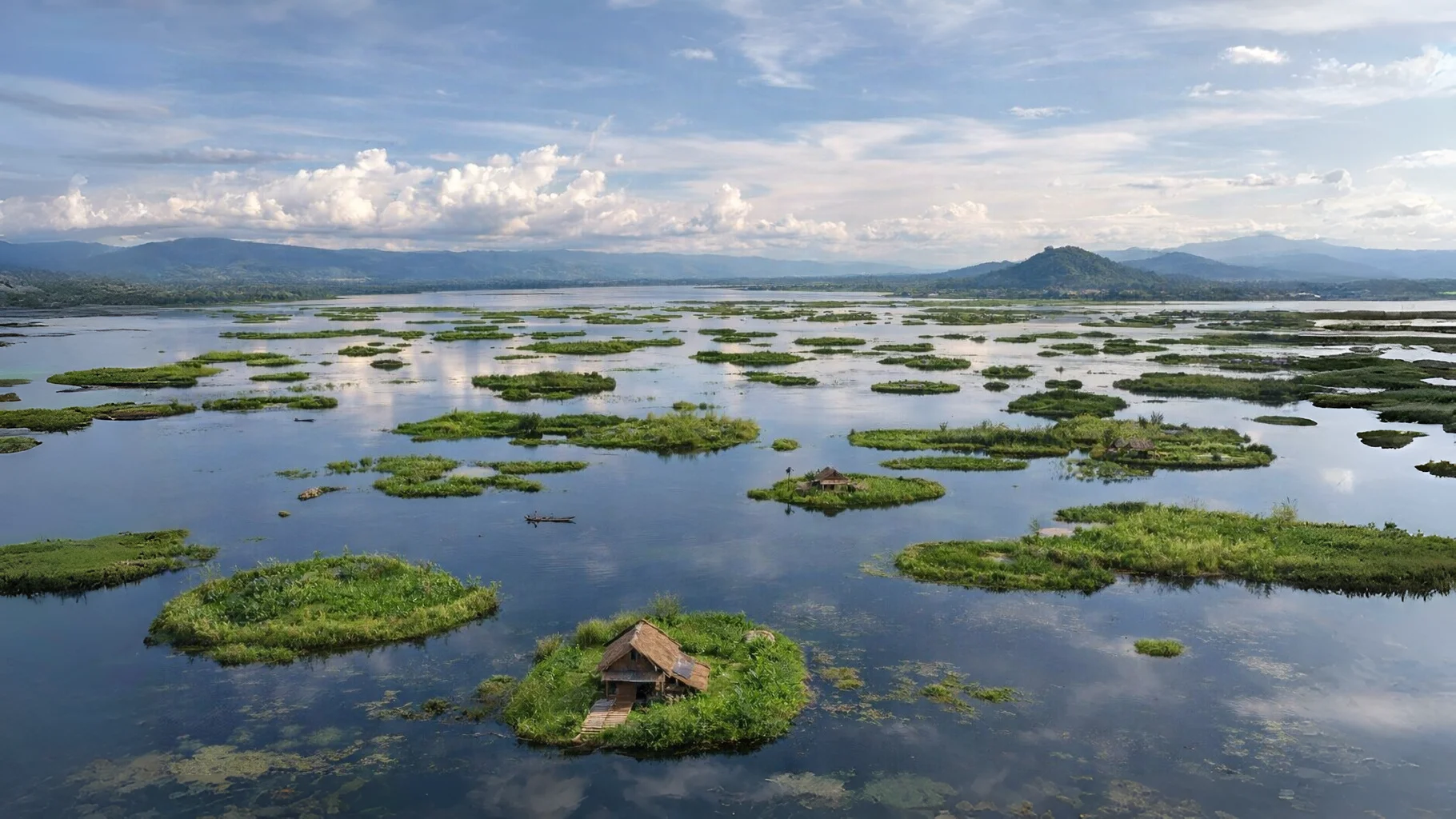
Imagine waking up in a hut that gently sways with the water beneath your feet. Mist rises from a vast freshwater lake as fishermen glide past in wooden canoes, their circular floating traps silhouetted against the rising sun.
Below you lies a living island — a thick, floating mass of vegetation strong enough to hold your home, yet flexible enough to move with the currents.
This is Loktak Lake.
Not a place you simply visit — but an ecosystem you enter.
Known as the “Jewel of Manipur,” Loktak is the largest freshwater lake in Northeast India. Its uniqueness lies in the phumdis — floating islands that support not just biodiversity, but entire human communities.
This guide covers:
- How to reach Loktak Lake
- Floating homestays vs land stays
- Costs and itinerary planning
- Best time to visit
- Critical environmental and legal realities (2026 update)
Data Sources for this Loktak Lake Travel guide
This Loktak travel guide is based on:
- Official Manipur Loktak Lake (Protection) Act, 2006 & Rules, 2008 (Government of Manipur Gazette)
- Publications and updates from the Loktak Development Authority (LDA)
- Conservation reports from Keibul Lamjao National Park (Forest Department, Manipur)
- Verified reporting from regional newspapers such as The Sangai Express and Imphal Times (2025–2026)
- Government-backed updates from News On Air (All India Radio)
- First-hand traveler insights and local interviews conducted during 2025–2026
What Makes Loktak Lake Unique? (Phumdis Explained)
What Are Phumdis?
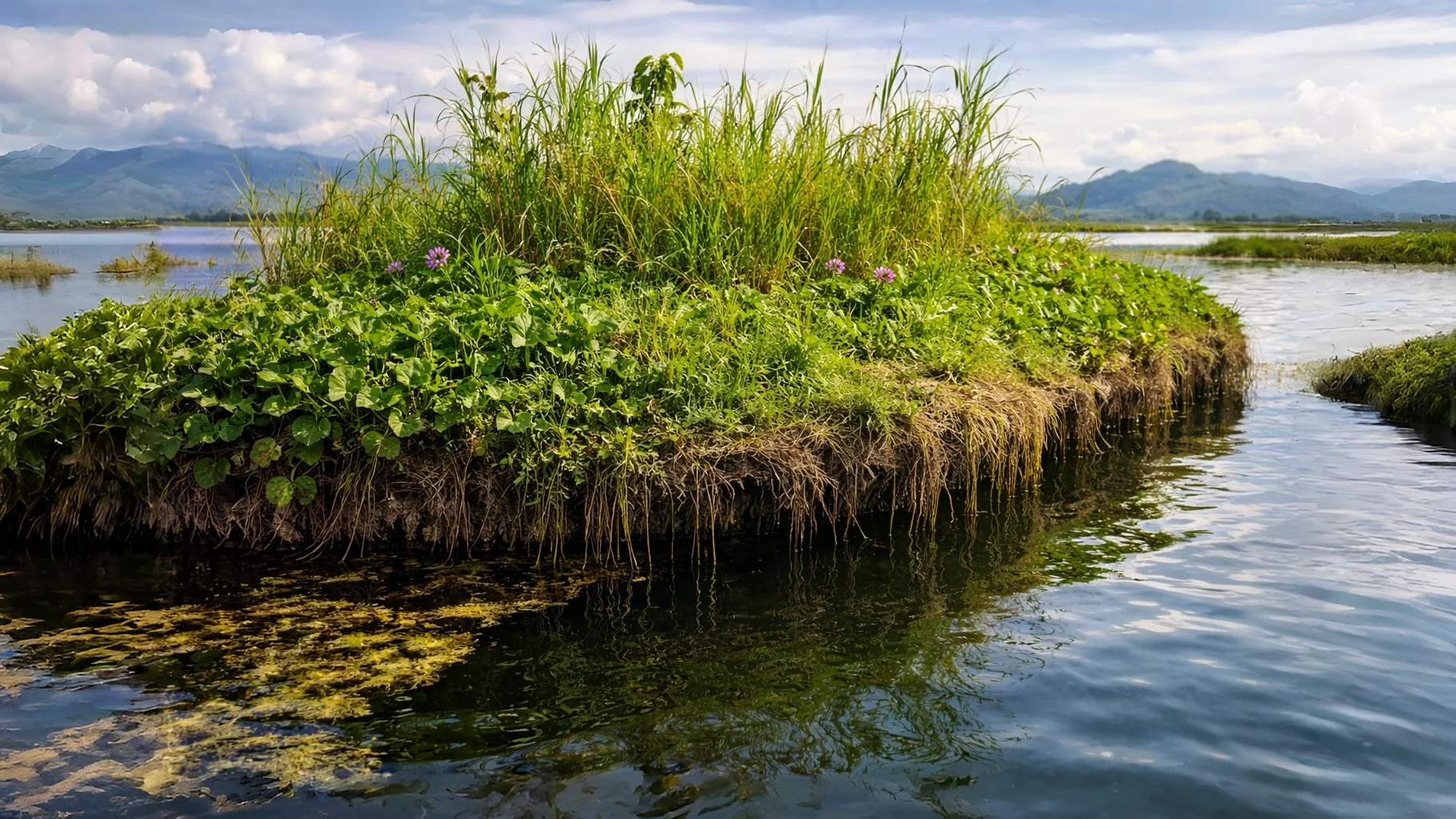
Phumdis are floating masses of vegetation, soil, and organic matter in various stages of decomposition.
They are the defining feature of Loktak Lake.
Formation Process
| Stage | Process |
|---|---|
| Formation | Aquatic plants grow into dense mats |
| Decomposition | Organic matter produces methane & CO₂ |
| Buoyancy | Gas reduces density → floating structure |
| Stabilization | Roots interlock → stable platform (up to 2m thick) |
Scientific Insight: ~37% of methane produced within phumdis is naturally oxidized before release.
The Ithai Barrage: How a Dam Changed Loktak
| Natural System (Pre-1983) | Current System (Post-1983) |
|---|---|
| Seasonal water fluctuation | Constant water level |
| Phumdis absorb nutrients | Nutrient starvation |
| Healthy regeneration | Structural thinning |
The lake lost its natural “breathing cycle,” creating long-term ecological stress.
Keibul Lamjao National Park: Floating Wildlife Sanctuary
- Located on southern Loktak Lake
- Area: ~40 sq km
- World’s only floating national park
Sangai Deer (State Animal of Manipur)
| Feature | Details |
|---|---|
| Species | Brow-antlered deer |
| Status | Endangered |
| Adaptation | Walks on floating phumdis |
| Cultural Role | Symbol of Manipur |
Best time to spot:
- 6:00–8:00 AM
- 4:00–6:00 PM
Things to Do at Loktak Lake (2026)
1. Stay in a Floating Homestay (Phumshang)
The defining Loktak experience.
- Wake to water beneath your floor
- Watch fishermen at sunrise
- Experience complete silence at night
Pricing (2026)
| Stay Type | Cost |
|---|---|
| Day visit | ₹300 |
| Overnight (basic) | ₹500–1,500 |
| Mid-range floating stay | ₹1,000–1,500 |
| Land homestay | ₹600–1,200 |
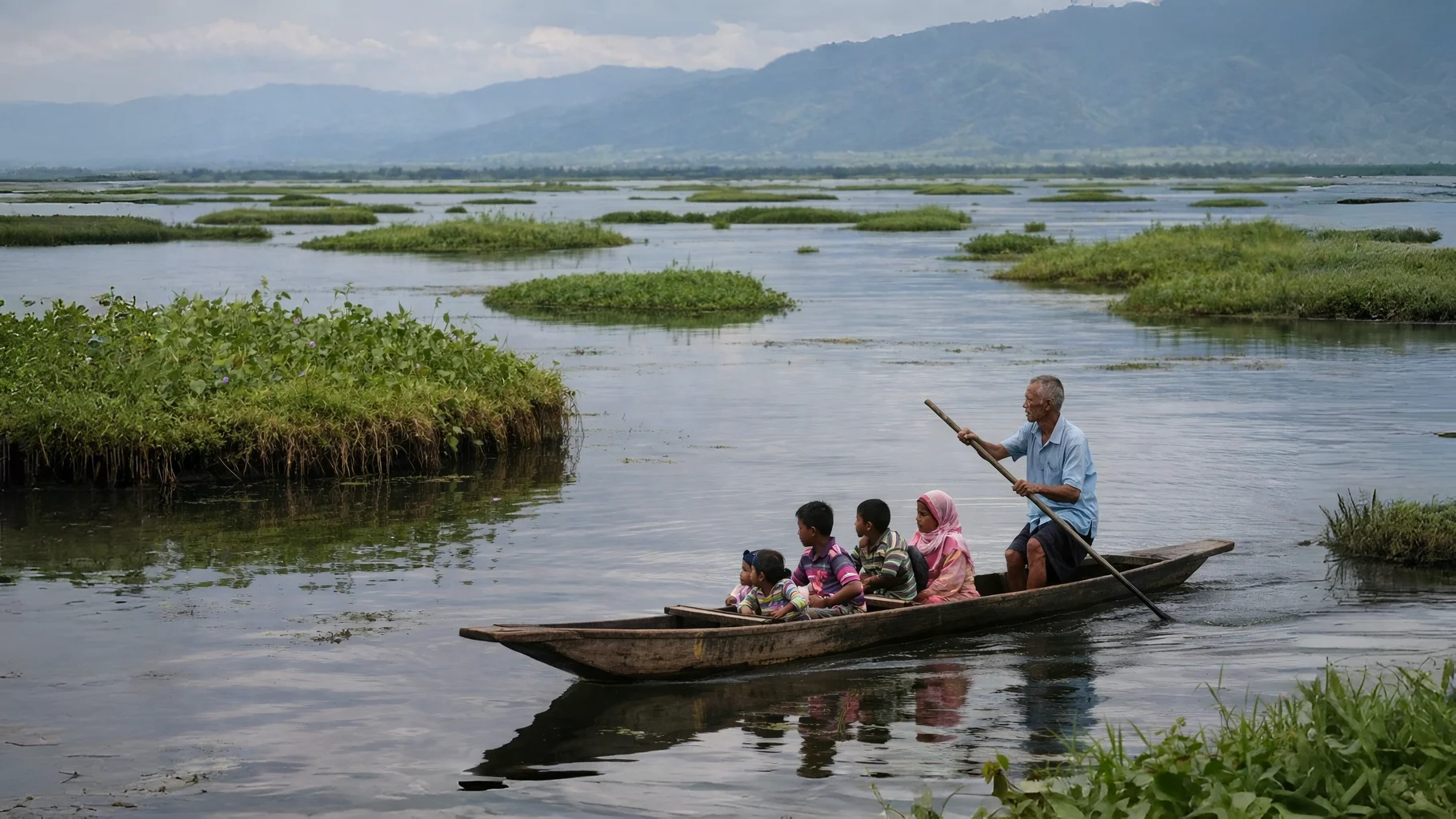
2. Boat Ride Through Phumdis
- Duration: 1–3 hours
- Cost: ₹500–1,500
- Best time: Morning or sunset
Tip: Choose traditional canoe over motorboats.
3. Keibul Lamjao Safari
- Guided visits + watchtowers
- Best season: Oct–Mar
- Best time: Early morning
4. Sendra Island Viewpoint
- Panoramic lake views
- Guest house: ~₹2,500/night
5. INA Memorial (Moirang)
- Historic site (1944)
- Combine with Loktak visit
6. Birdwatching
| Type | Season |
|---|---|
| Migratory birds | Nov–Feb |
| Resident birds | Year-round |
Floating Homestays: Legal Reality & Responsible Travel
What Is a Phumshang?
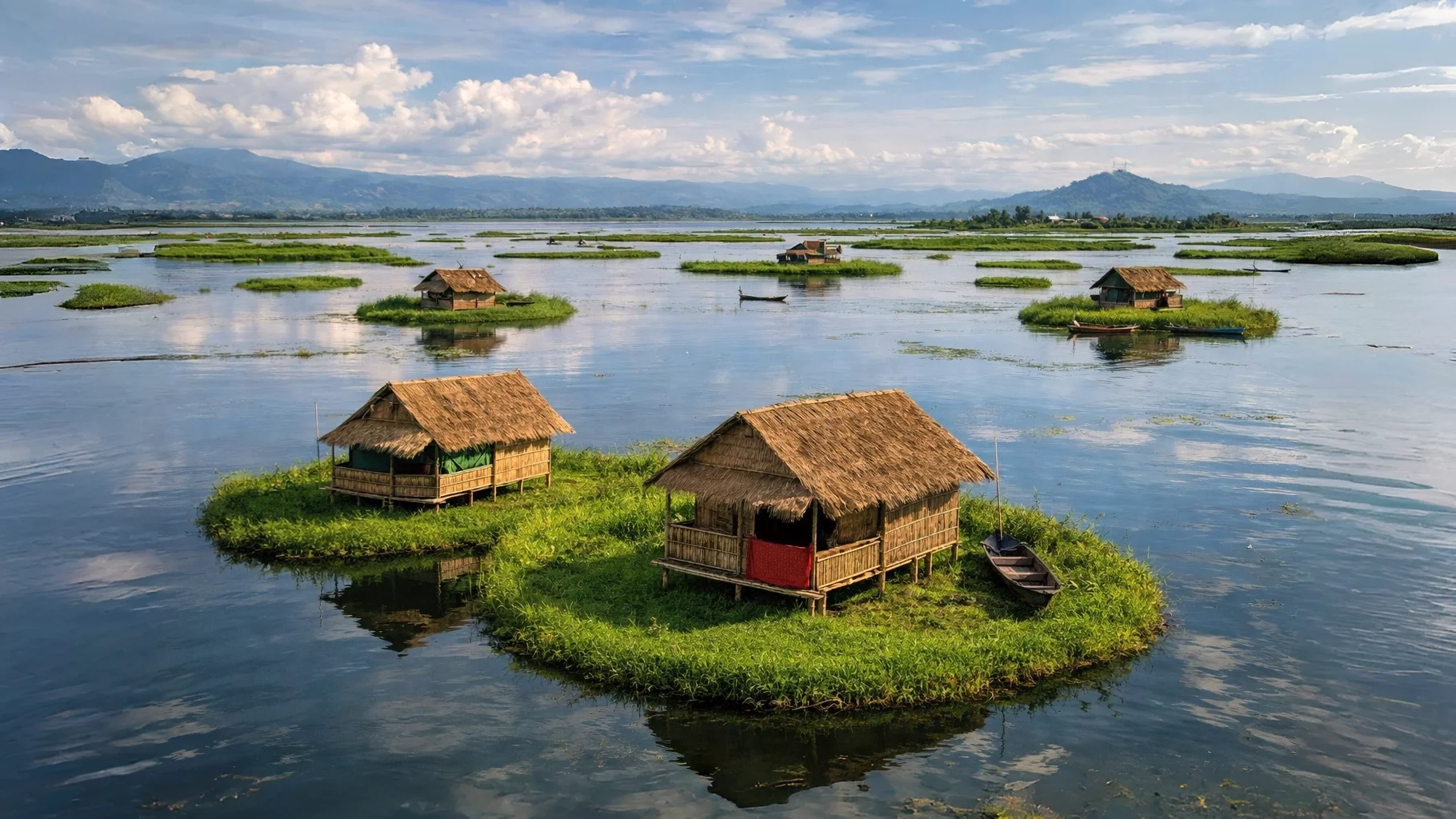
Traditional floating house built using:
- Bamboo
- Wood
- Thatch
These homes are engineered to float and move with water.
Legal Status (2026)
Under the Manipur Loktak Lake Protection Act 2006:
| Zone | Rule |
|---|---|
| Core Zone | No construction allowed |
| Buffer Zone | Limited regulated activity |
Ground reality (2026):
- 40+ floating homestays near Karang Island
- Considered illegal by law
- Weak enforcement due to LDA vacancies
Why This Matters
| Issue | Impact |
|---|---|
| No regulation | No safety standards |
| Waste discharge | Water pollution |
| Eutrophication | Fish death, biodiversity loss |
| Governance gap | No enforcement |
Why Locals Still Run Them
“Loktak lake homestays earn far more than fishing.”
Tourism = survival for many families.
Responsible Travel: How to Choose a Good Homestay
| Criteria | What to Check |
|---|---|
| Location | Buffer zone preferred |
| Waste system | Ask clearly |
| Ownership | Family-run |
| Booking | Local contacts preferred |
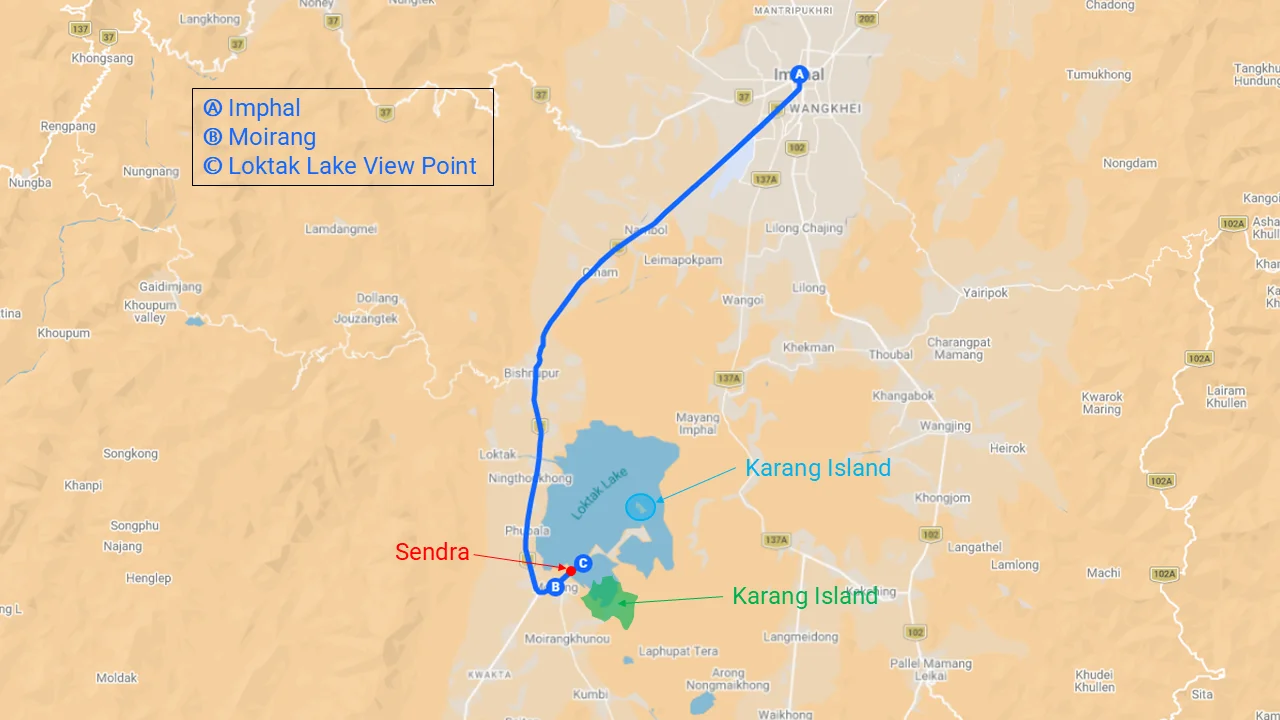
How to Reach Loktak Lake
| Route | Duration | Cost |
|---|---|---|
| Flight to Imphal | 1–3 hrs | ₹3,500–10,000 |
| Taxi to Loktak | 1–1.5 hrs | ₹2,500–3,000 |
| Guwahati road trip | 7–12 hrs | ₹8,000–10,000 |
| Shared taxi | 1.5 hrs | ₹100–200 |
Best Time to Visit
| Season | Months | Verdict |
|---|---|---|
| Peak | Oct–Mar | ✅ Best |
| Shoulder | Apr–May | ⚠️ Okay |
| Monsoon | Jun–Sep | ❌ Avoid |
Sample Itineraries
Half-Day Trip
- Morning departure from Imphal
- Boat ride
- Sendra viewpoint
- INA Memorial
- Return by afternoon
Overnight Experience (Recommended)
Day 1:
Arrival → Homestay → Sunset boat ride
Day 2:
Sangai spotting → Breakfast → Return
Where to Stay
| Type | Cost | Notes |
|---|---|---|
| Floating homestay | ₹500–1,500 | Unique but legal grey zone |
| Sendra Guest House | ₹2,500 | Best views |
| Forest Rest House | ₹1,500–2,500 | Wildlife proximity |
| Land homestay | ₹600–1,200 | Safer option |
2026 Updates
- Homestay legality controversy rising
- LDA leadership vacant
- Sangai conservation workshop (Jan 2026)
- Water Metro proposal under discussion
Safety (2026 Reality)
| Factor | Status |
|---|---|
| Day travel | Safe |
| Night travel | Avoid |
| Checkpoints | Frequent |
| Curfews | Possible |
Rules:
- Travel before sunset
- Carry ILP + ID copies
- Monitor local news
Responsible Travel Guidelines
Do
- Carry back waste
- Use eco-products
- Hire local guides
Don’t
- Use motorboats
- Dump plastic
- Enter phumdis without permission
Cultural Etiquette
- Greet with folded hands
- Dress modestly
- Respect food habits
- Ask before photographing
Loktak Lake Travel Guide FAQs
Are personal Loktak lake travel guides available?
Yes, local guides are available for exploring Loktak Lake and can significantly enhance your experience.
They typically offer:
– Boat tours through the floating phumdis
– Visits to traditional fishermen’s huts (phumshangs)
– Guided birdwatching and wildlife spotting near Keibul Lamjao National Park
You can hire local guides near Sendra tourist spot or in Moirang (around 3 km from the lake).
Tip: Choosing a local fisherman as your guide not only provides a more authentic experience but also directly supports the lake’s community.
Is Loktak Lake safe in 2026?
Yes, with precautions and daylight travel.
Do I need an Inner Line Permit (ILP)?
Yes, mandatory for Indian visitors who are from outside Manipur. You can read the detailed step-by-step guide for applying an ILP for Manipur.
Cost of floating stay?
₹500–1,500 per night.
Best time to visit Loktak Lake?
October to March.
What should I pack for Loktak?
Cloths/Layers for lakeside evenings, binoculars for wildlife, insect repellent, cash (limited ATMs), offline maps.
Can I see the Sangai deer?
Yes, with early morning (6:00–8:00 AM) visits to Keibul Lamjao National Park. Dawn and dusk are best.
Is there mobile network at Loktak?
Generally available, though may be weak in remote areas. Internet shutdowns can occur during periods of tension.
Are there ATMs near Loktak Lake?
Limited. Carry sufficient cash from Imphal.
Overall Key facts
- Loktak is not a typical destination
- Floating stay = core experience
- Legal & environmental awareness is essential
- Travel responsibly
Future Outlook (2026–2027)
- Water Metro project (proposed)
- Governance reforms needed
- Growing responsible tourism awareness
Still Planning Your Trip?
👉 How to Get Inner Line Permit (ILP) for Manipur
👉 Is Manipur Safe for Tourists in 2026?